
Supports: Krisiun, Asagraum, A Call For Revenge
Location: Bibelot, Dordrecht (Netherlands)
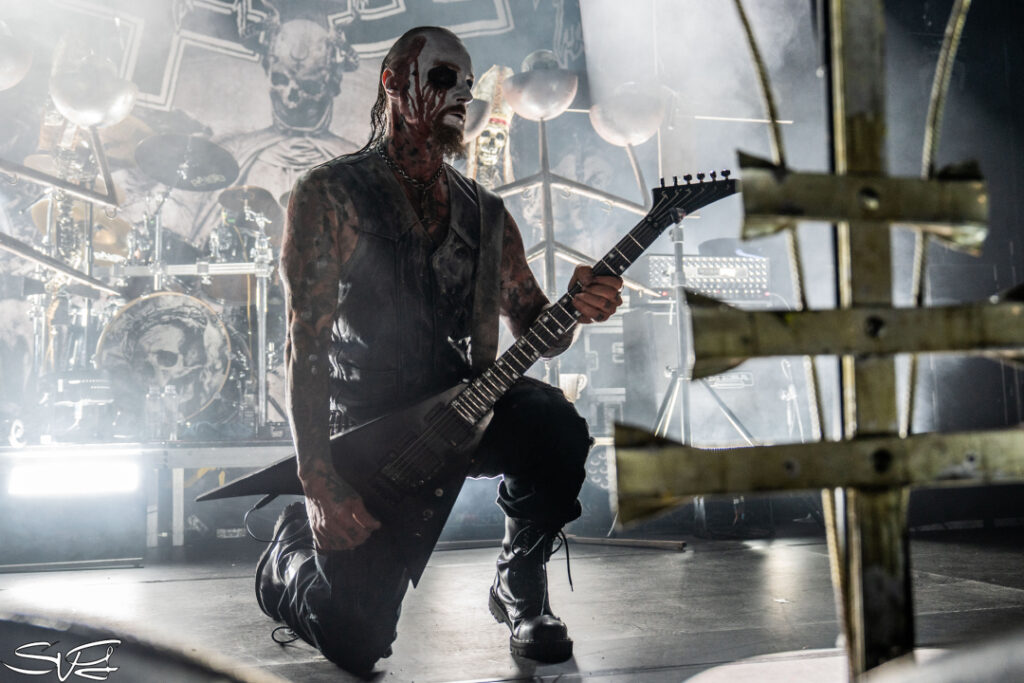
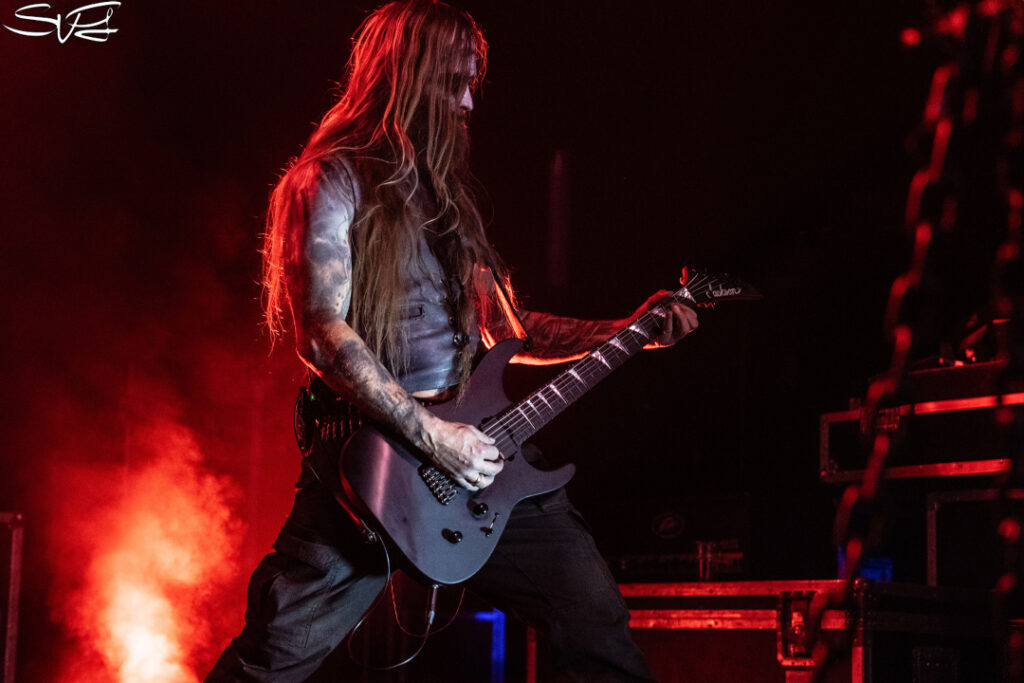
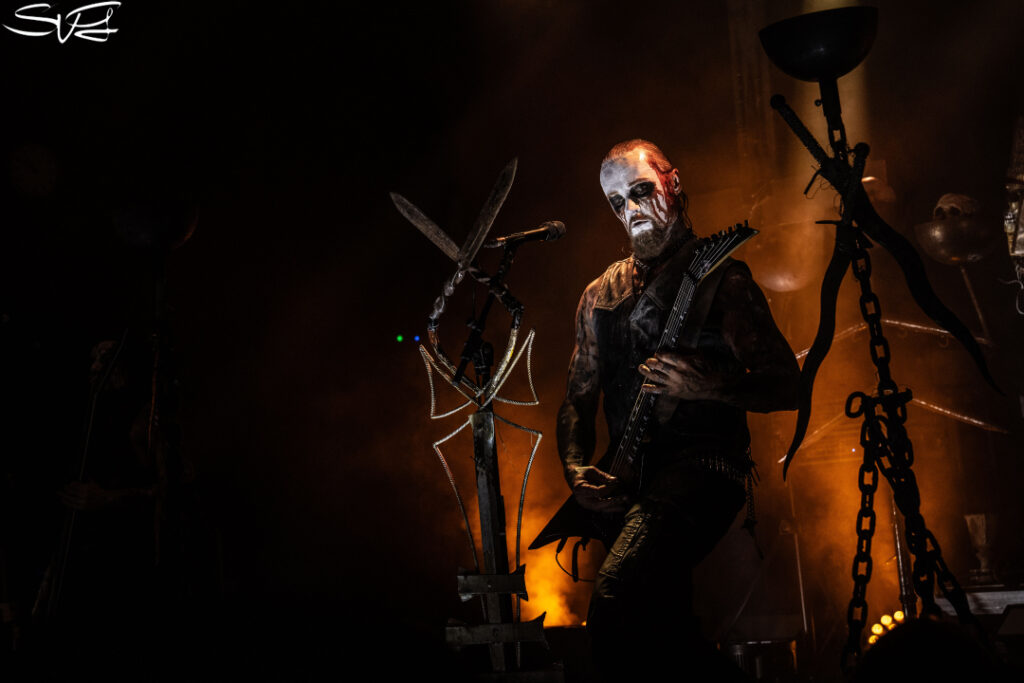
October starts on a dark note at Bibelot in Dordrecht. Belphegor’s Praise the Beast European Tour has only just started, with the Dutch date being the third show after Essen and Kortrijk. The Austrians have brought quite a diverse package along: Brazilian death metal veterans Krisiun, Dutch black metal formation Asagraum and Mexican opener A Call For Revenge.
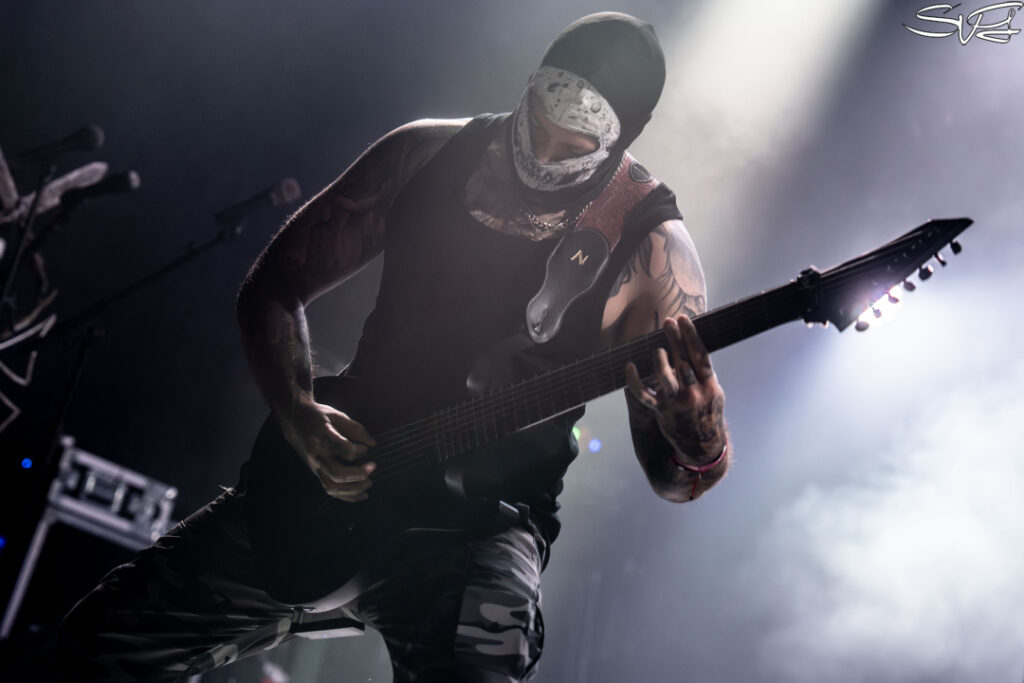
A Call For Revenge
With four bands on the bill, A Call For Revenge have the difficult job of getting the evening started. The Mexican formation brings something slightly different to the package, stretching its black metal foundations with influences from beatdown hardcore. That combination quickly makes itself known at Bibelot.
There is plenty of aggression in their sound and the band wastes little time getting up to speed. The heavier, hardcore-inspired elements add considerable force to the music, making A Call For Revenge an effective band to kick off an evening that will only get darker and heavier from here. There is an uncompromising quality to the performance that works particularly well in the more direct sections.
At the same time, that directness is also where there is still room to grow. The songs could use a little more variation to make individual moments stand out. When almost everything is delivered with the same intensity, that aggression gradually loses some of its impact. A few more changes in pace or atmosphere could make the heavier moments hit even harder.
Still, as the first band of a four-band package, A Call For Revenge do exactly what is needed. They wake up the room and make sure the evening starts with considerable force. It may not be the most varied set of the night, but it certainly is an aggressive one.

Asagraum
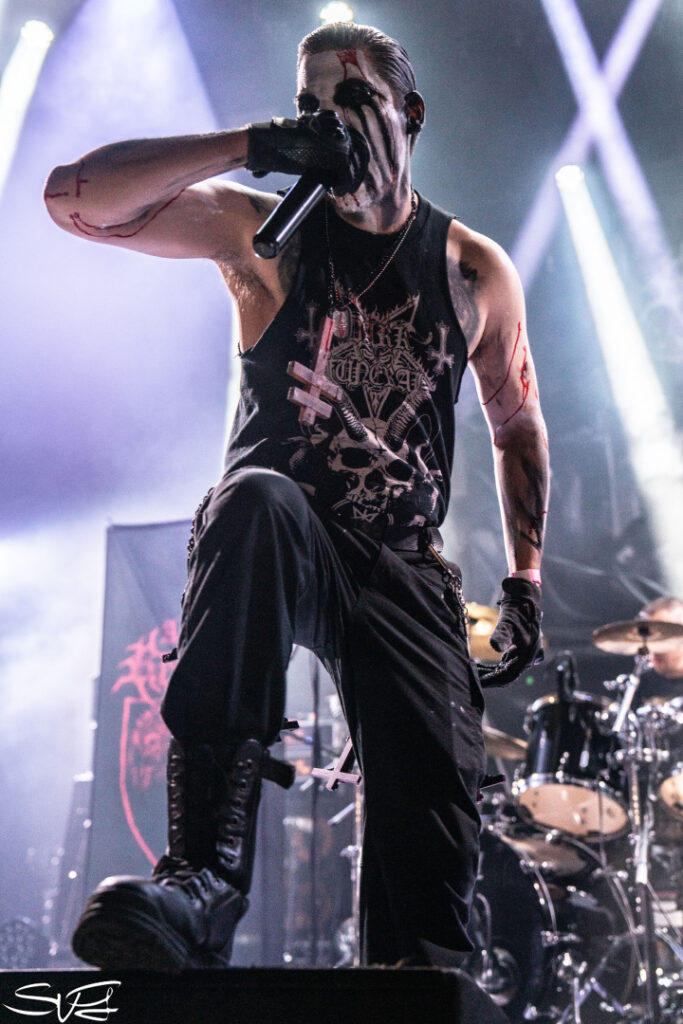
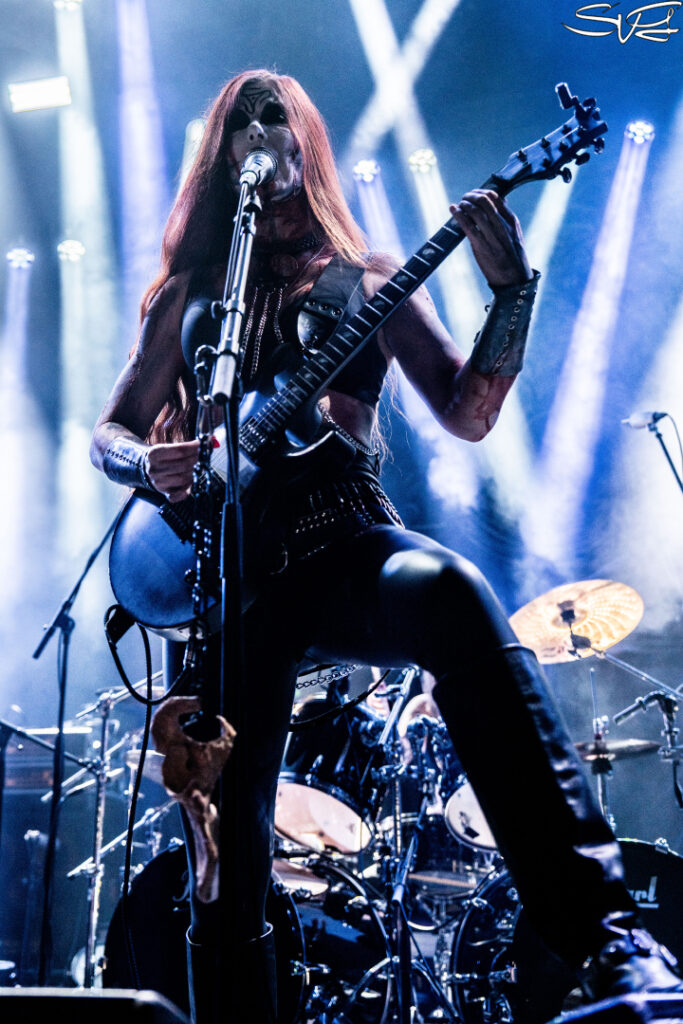
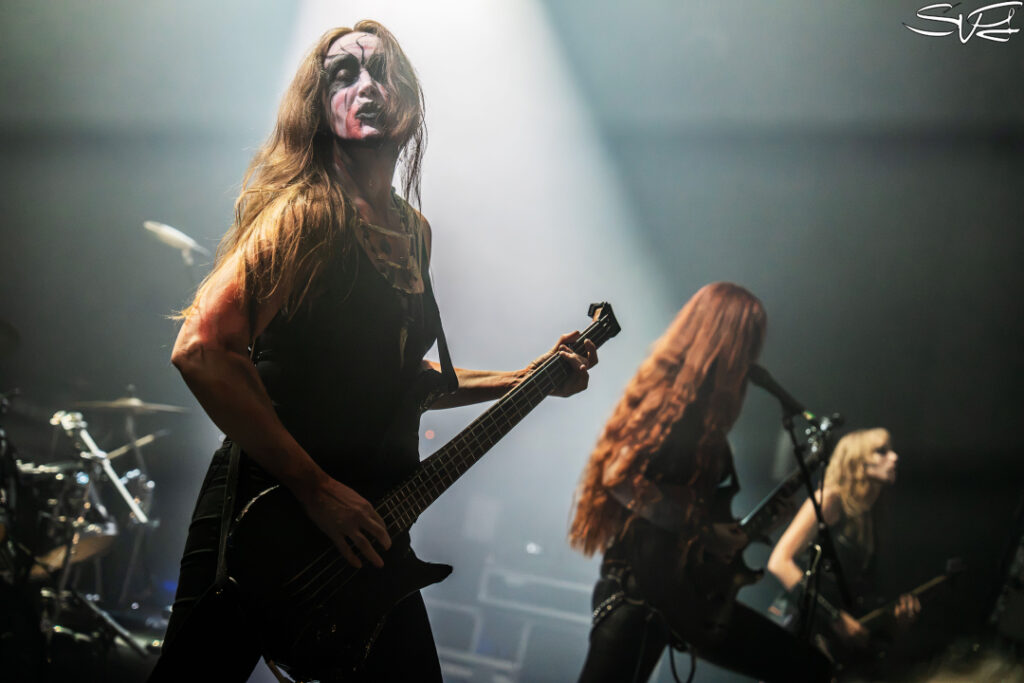
For Asagraum, tonight is a home-country show. The Dutch black metal band is hardly unfamiliar territory for us either; after seeing them numerous times over the years, we know fairly well what to expect when they walk onto a stage.
And tonight, Asagraum once again deliver exactly that. The performance is tight, controlled and steady, with the band confidently working through their material. Their traditional black metal sound remains uncompromising, and there is little to criticise when it comes to the execution. This is a band that knows its material and knows how it wants that material to sound live.
Perhaps familiarity plays a part, but tonight the performance does not quite develop into something that really pulls the room along with it. There is appreciation in front of the stage, yet the set never seems to ignite the audience into much movement. Where A Call For Revenge relied heavily on aggression, Asagraum create a darker and more controlled atmosphere.
There is nothing inherently wrong with that. Not every black metal performance needs a raging pit, and Asagraum’s music was never designed simply to generate one. Yet on a bill that becomes increasingly physical as the evening progresses, their set feels more restrained.
Ultimately, it is another solid Asagraum performance: steady, convincing and musically reliable. For those seeing the band for the first time, there is plenty to discover. Having seen them often before, however, tonight does not bring us many surprises.

Krisiun
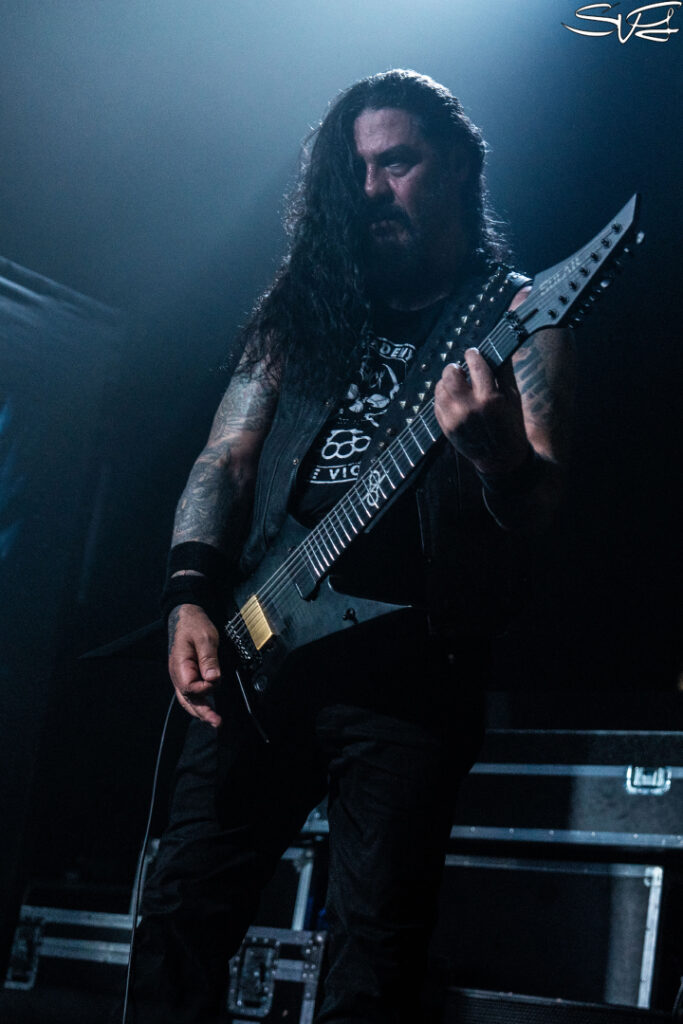
Then it is time for Krisiun, and the atmosphere changes noticeably.
Formed in Brazil in 1990, the three brothers have accumulated more than three decades of experience playing death metal, and that experience becomes obvious remarkably quickly. There is little hesitation or unnecessary decoration to the performance. Krisiun know what they are doing, know what works in front of a live audience and, perhaps most importantly tonight, know how to get that audience involved.
It does not take long before movement starts in front of the stage. Where the earlier performances received attention, Krisiun actually get the pit going. The band’s relentless death metal provides an obvious soundtrack for it, but their success is not based on brutality alone. There is considerable engagement with the crowd throughout the performance, breaking down the distance between stage and audience.
That makes a difference. Krisiun never come across as three musicians simply reproducing their material. They are actively playing to the people standing in front of them, feeding off the response and giving it straight back.
Musically, the band keeps things brutally efficient. Fast passages, heavy riffs and the sheer physicality of their death metal dominate the set, yet the experience behind it keeps everything under control. There is aggression, but never the impression that the performance might fall apart underneath it.
It is perhaps not surprising from a band with this many years behind it, but professionalism alone does not automatically make a good concert. Krisiun combine that experience with enough enthusiasm to make the set feel alive rather than routine.
By the end, the audience is thoroughly warmed up. The pit has finally become a significant part of the evening and Bibelot feels considerably more restless than it did earlier. Krisiun leave the stage having delivered exactly what a strong direct support should: a solid set that makes the headliner work for the audience’s attention.

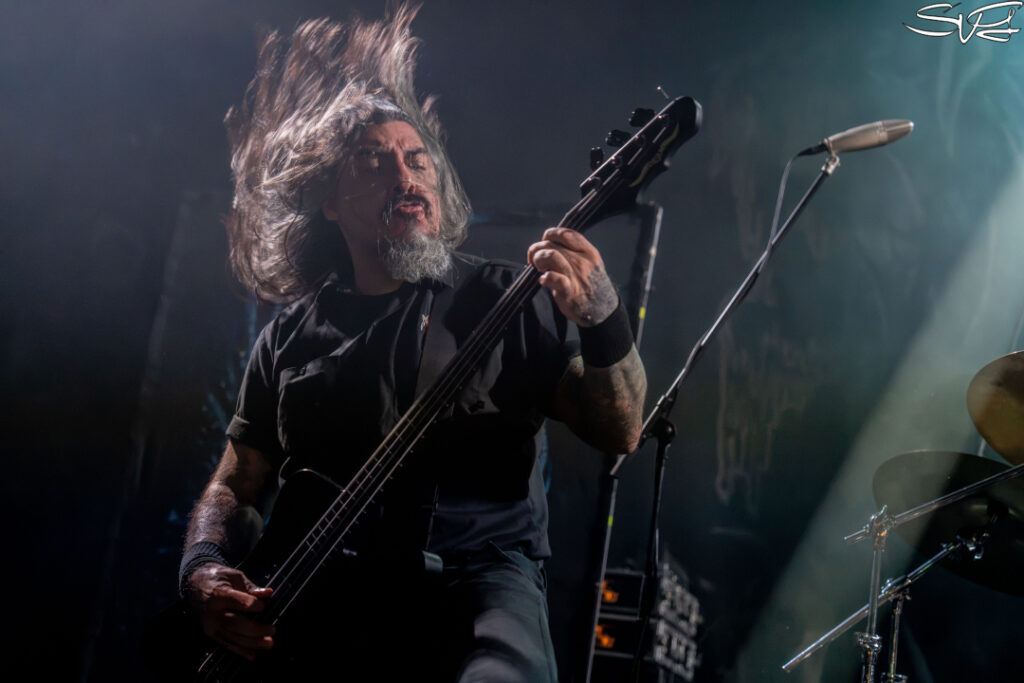

Belphegor
Fortunately for Belphegor, winning that attention does not appear to be much of a problem either.
The Austrian band is currently touring Europe under the Praise the Beast banner, and from the moment the headliner takes control of Bibelot, it becomes clear that the crowd has been waiting for them. Belphegor have the audience firmly on their side and know exactly how to use it.
“The Procession” leads into “Baphomet”, after which the band moves through different periods of its catalogue with songs including “The Devil’s Son”, “Sanctus Diaboli Confidimus”, “The Devils”, “Lucifer Incestus” and “Stigma Diabolicum”. Newer material also gets its place through “Scarlet Beast – Leviathan”, while “Belphegor – Hell’s Ambassador” eventually closes the evening. It makes for a genuinely enjoyable setlist rather than one that concentrates too heavily on a single period.
More importantly, Belphegor know how to turn those songs into a show.
The first part already has enough presence to hold the room, but later in the performance additional fire elements appear. It is not necessary to make the music work, yet visually it adds another dimension at exactly the right moment. Instead of revealing every trick immediately, the production grows as the set progresses. The flames complement the band’s dark imagery particularly well and provide some welcome visual spectacle without taking attention away from the musicians.
Meanwhile, the connection with the audience remains one of the strongest aspects of the performance. Belphegor do not have to fight for participation; Bibelot willingly gives it to them. After Krisiun got the pit properly moving, the headliner inherits an audience that is ready to go and keeps that energy alive.
There is also enough variation in the set to prevent the band’s relentless approach from becoming exhausting. Belphegor may operate somewhere in the territory between black and death metal, but within that framework there is room for changes in atmosphere and tempo. Combined with the visual elements and a well-chosen trip through the catalogue, the performance keeps offering something new.
By the time “Belphegor – Hell’s Ambassador” brings the encore and the evening to its conclusion, there is little doubt who the room belonged to.