

Location: Steenwijk (Netherlands)
Stonehenge has always been one of those festivals that understands exactly what its audience wants: a packed day of extreme metal without unnecessary distractions. The 2026 edition featured an incredibly diverse lineup ranging from brutal death metal and grindcore to industrial and despite being plagued by technical problems, it still managed to deliver plenty of memorable moments. The crowd deserved credit as well. Rather than turning frustrated, people understood that the bands were victims just as much as the audience was.
Morning
The first noticeable change was the completely redesigned festival layout. Gone was the familiar separation between the stages; instead, both stages now stood next to each other. It proved to be a clever decision. Moving between bands became effortless, there was hardly any walking involved and the compact setup created a lively atmosphere throughout the entire site. Even early in the morning, the festival already felt busier than previous editions.
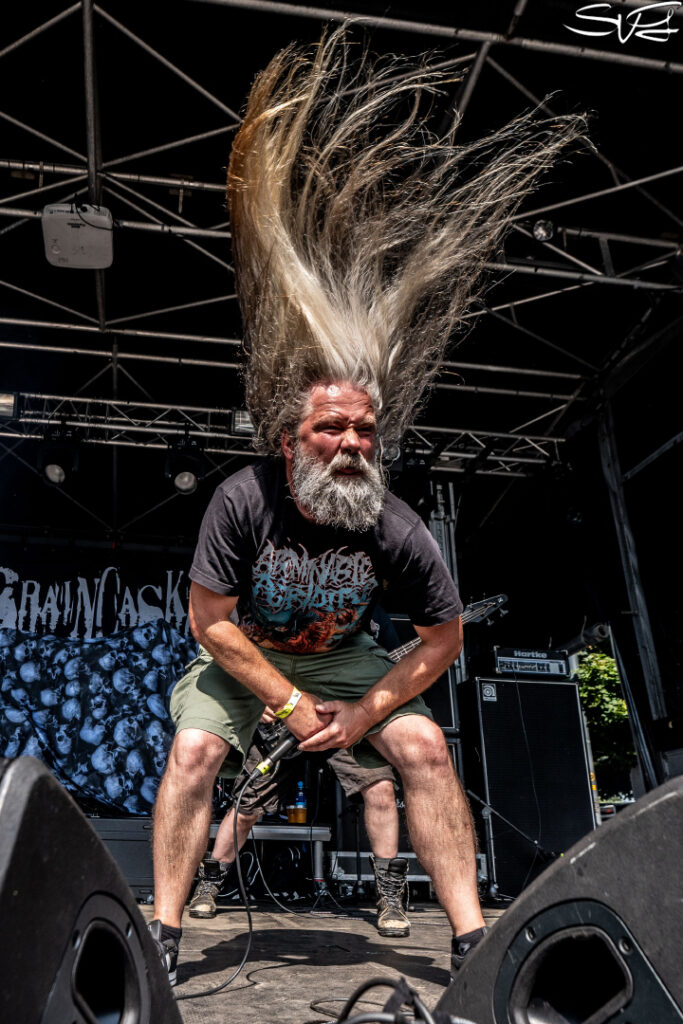
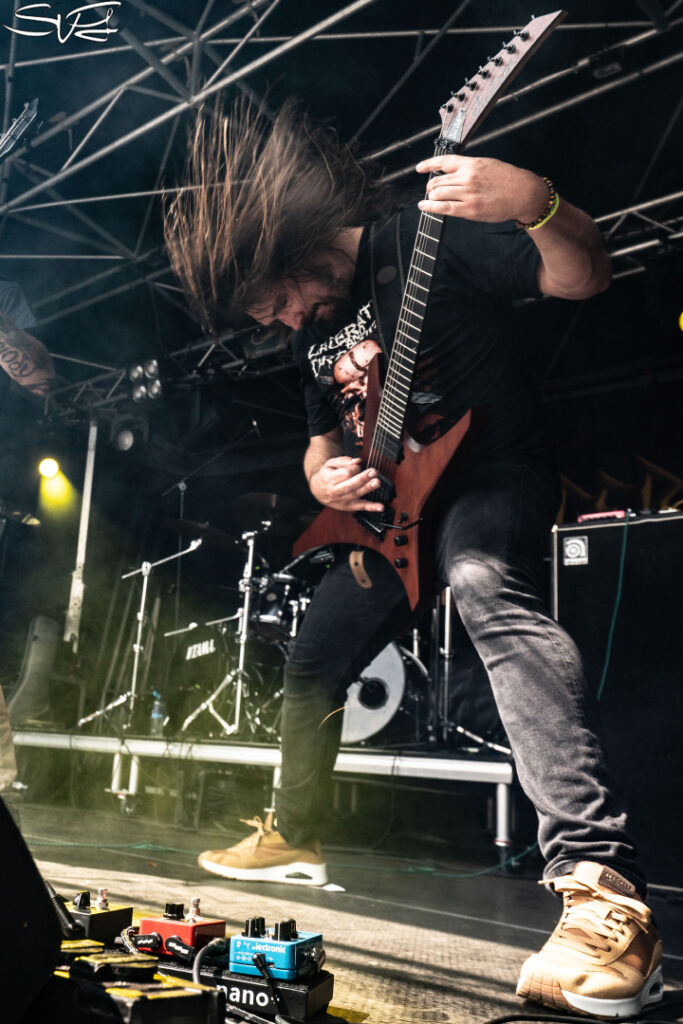
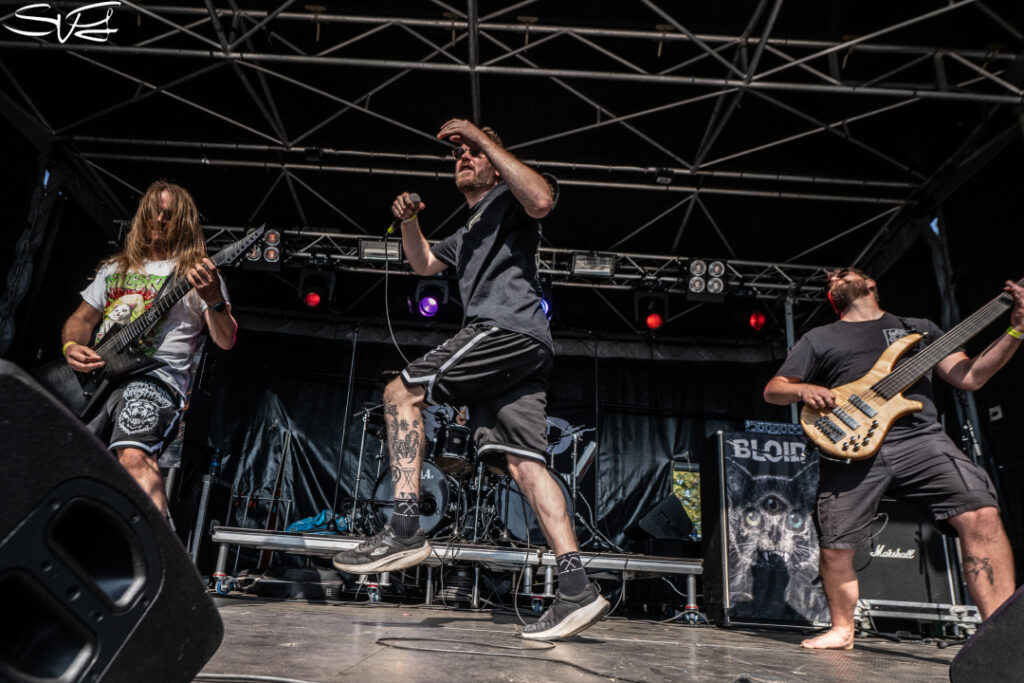
As the gates opened, Novelization had the honour of kicking off the day as they are the winners of the Wacken Metal Battle. Early slots are rarely easy, but they managed to wake up the first rows of dedicated fans. Bloid followed shortly afterwards, keeping the momentum going before Braincasket raised the intensity with a healthy dose of brutality. Deadspeak, Ceremony and Caedere completed the opening stretch of the festival. None of them were given much time to leave a lasting impression, but together they served exactly the purpose an opening block should: warming up the crowd for what was still to come. The band that really jumped out in the morning was Ceremony, for their skillful way of combining vehemence with their powerful performance.
By late morning, the festival grounds had filled considerably. Friends reunited over their first beers, merchandise bags slowly became heavier and discussions about the must-see bands of the afternoon could be heard all around the venue. The new layout seemed to work perfectly, allowing visitors to effortlessly drift between the stages without missing much of the action.


Afternoon
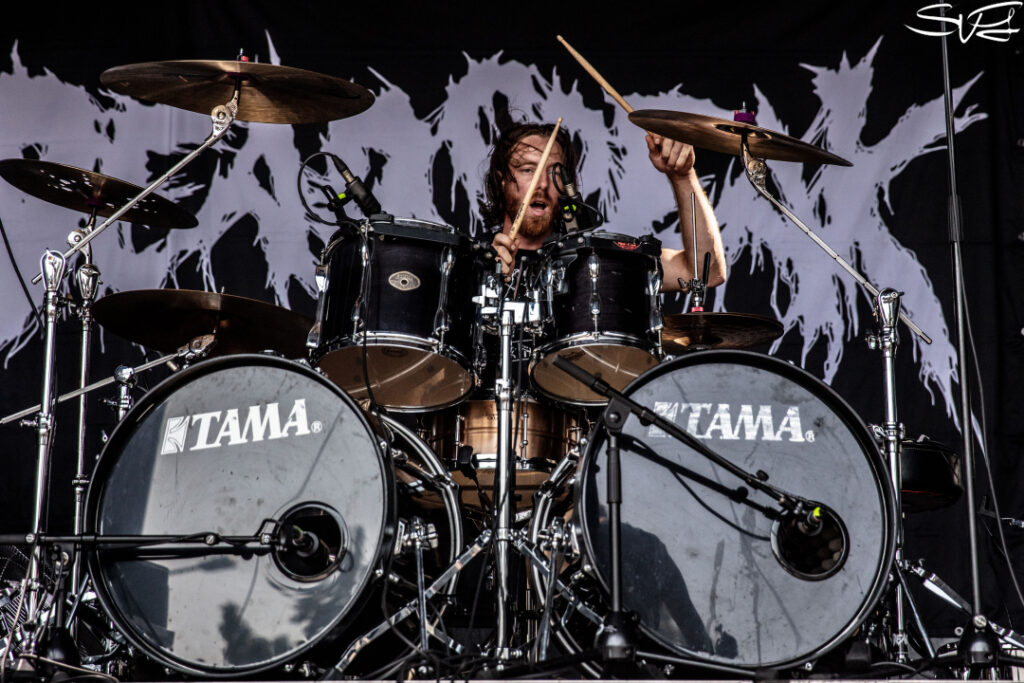
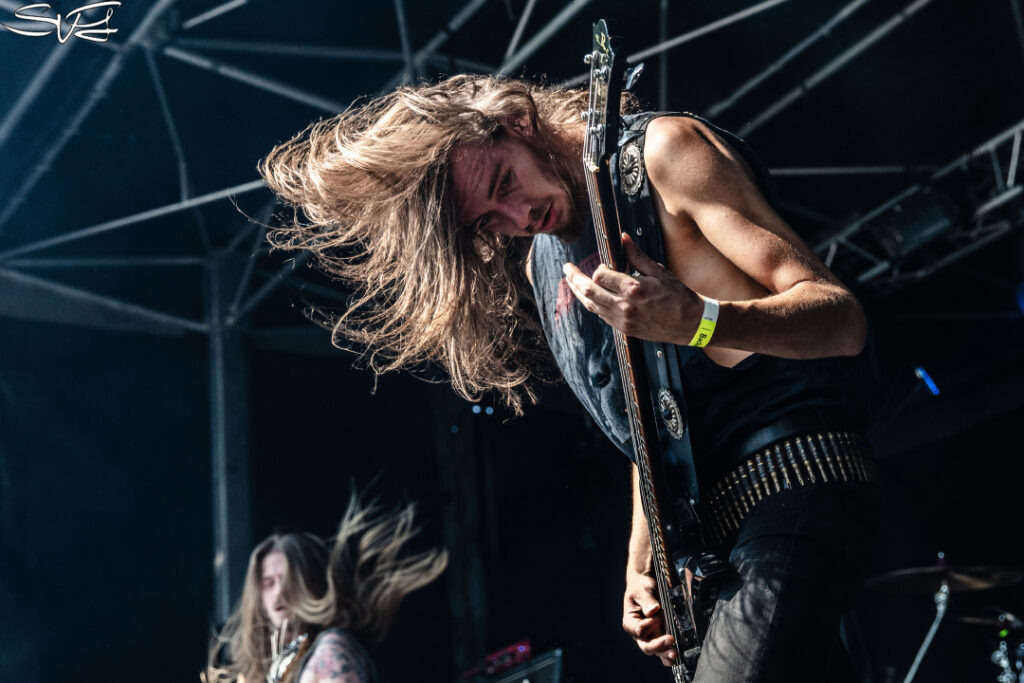
The afternoon was where Stonehenge really came alive.
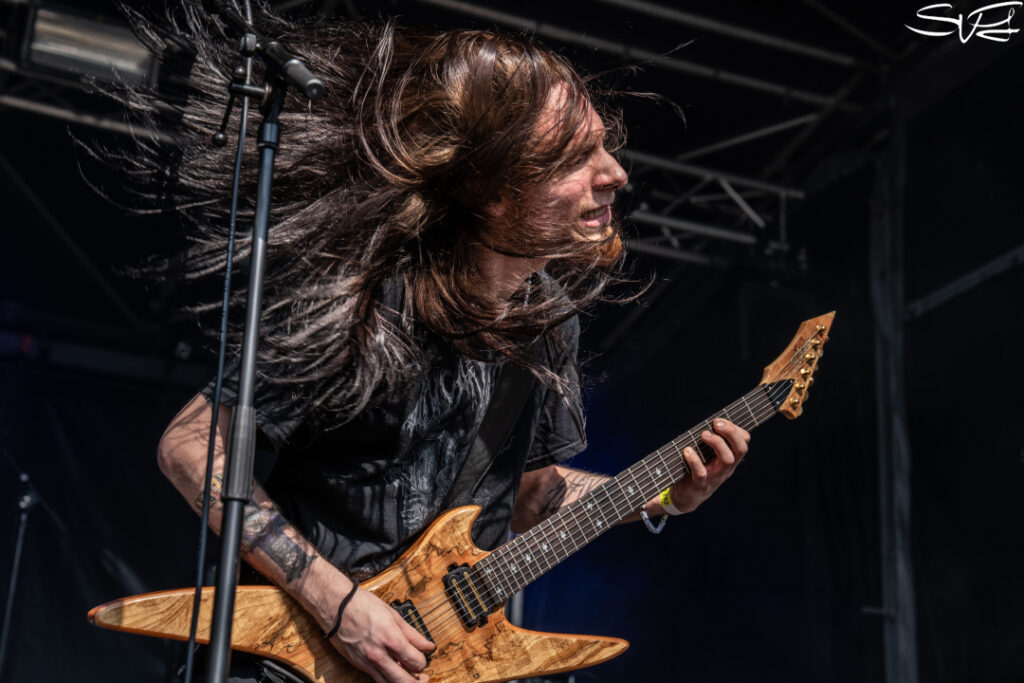
Dauthuz were among the first bands to truly capture the audience’s attention. Their melodic blackened death metal provided an atmospheric start to the afternoon and formed a perfect bridge towards the heavier acts that followed. Without much time to recover, HusqwarnaH took over and demonstrated why they have become such a respected name. Their old-school Swedish-inspired sound connected immediately with the home crowd, many of whom clearly knew every riff by heart.
The brutality continued with France’s Putrid Offal, whose razor-sharp performance proved that decades of experience still count for something. Tight musicianship and relentless aggression kept the energy levels high, setting the stage perfectly for one of the festival’s most entertaining performances.
Every extreme metal festival needs at least one band that doesn’t take itself too seriously, and Rectal Smegma happily filled that role. Behind the ridiculous name and tongue-in-cheek stage presence lies an incredibly tight grindcore machine, and the crowd embraced every chaotic second of it. Smiles replaced serious expressions as the pit erupted into complete mayhem.
If anyone thought things would calm down afterwards, Severe Torture quickly corrected that misconception. The Dutch veterans delivered one of the heaviest performances of the afternoon, ripping through material such as Butchery of the Soul and Fisting the Dead with clinical precision. Their set reminded everyone why they remain one of the country’s finest death metal exports.
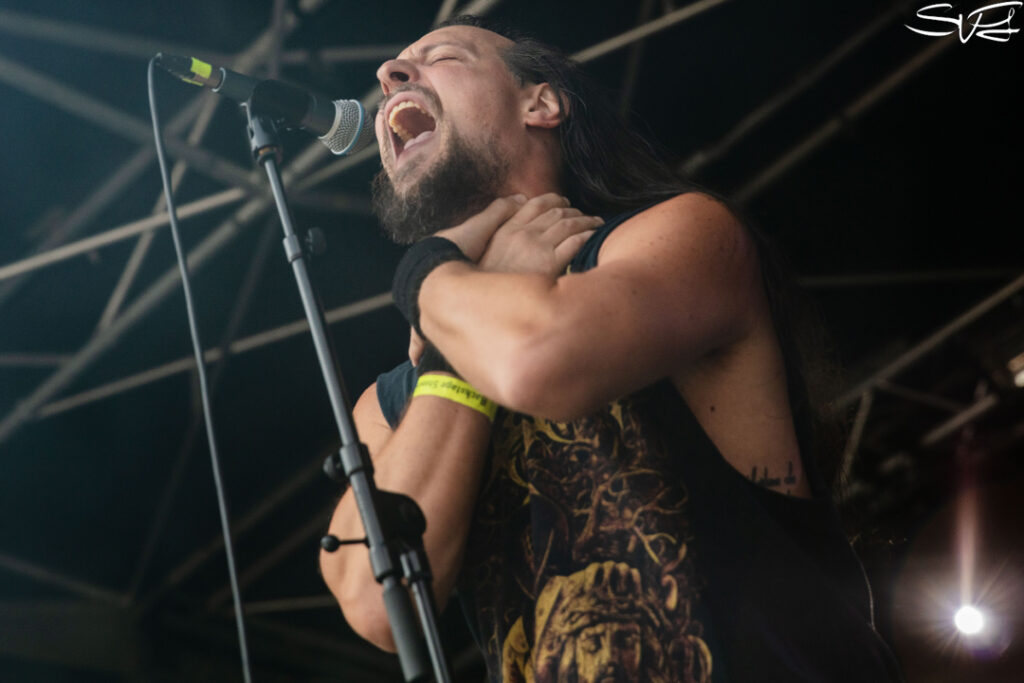
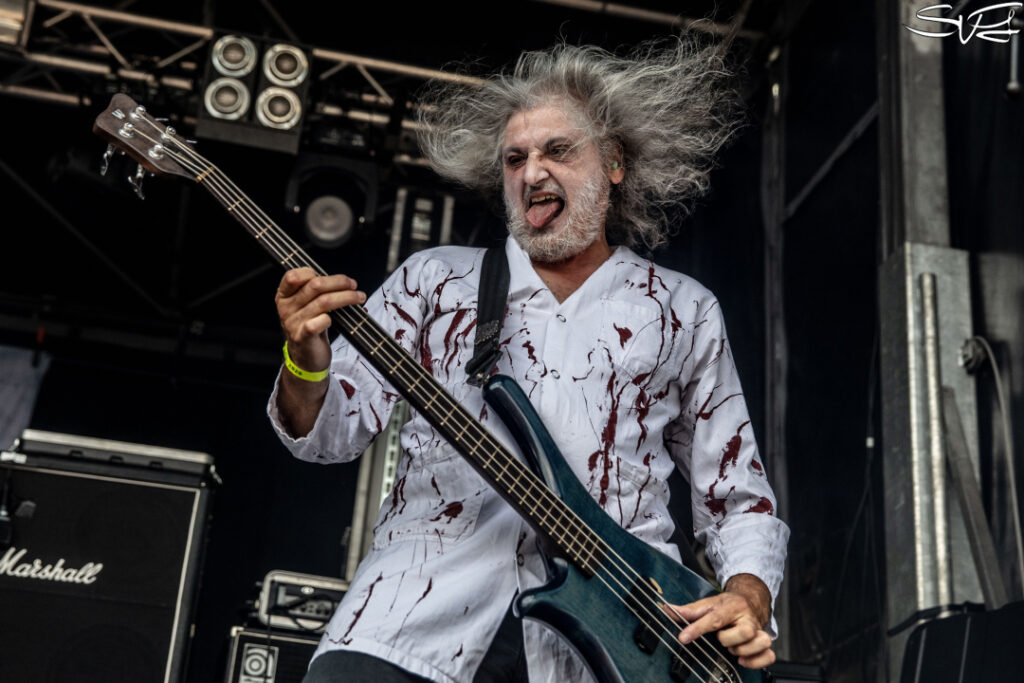
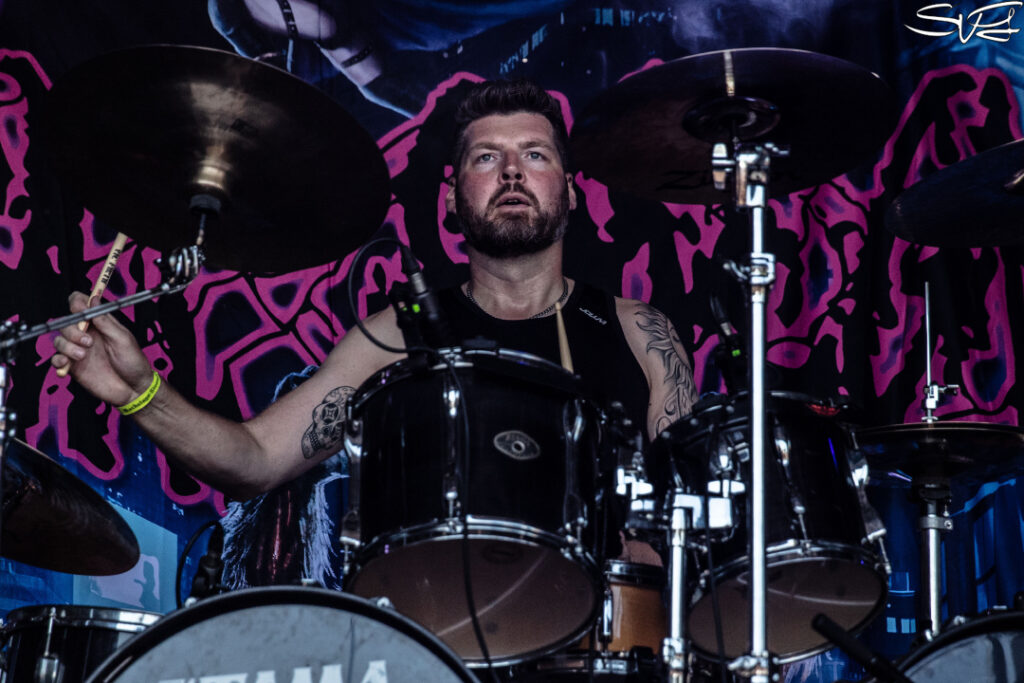
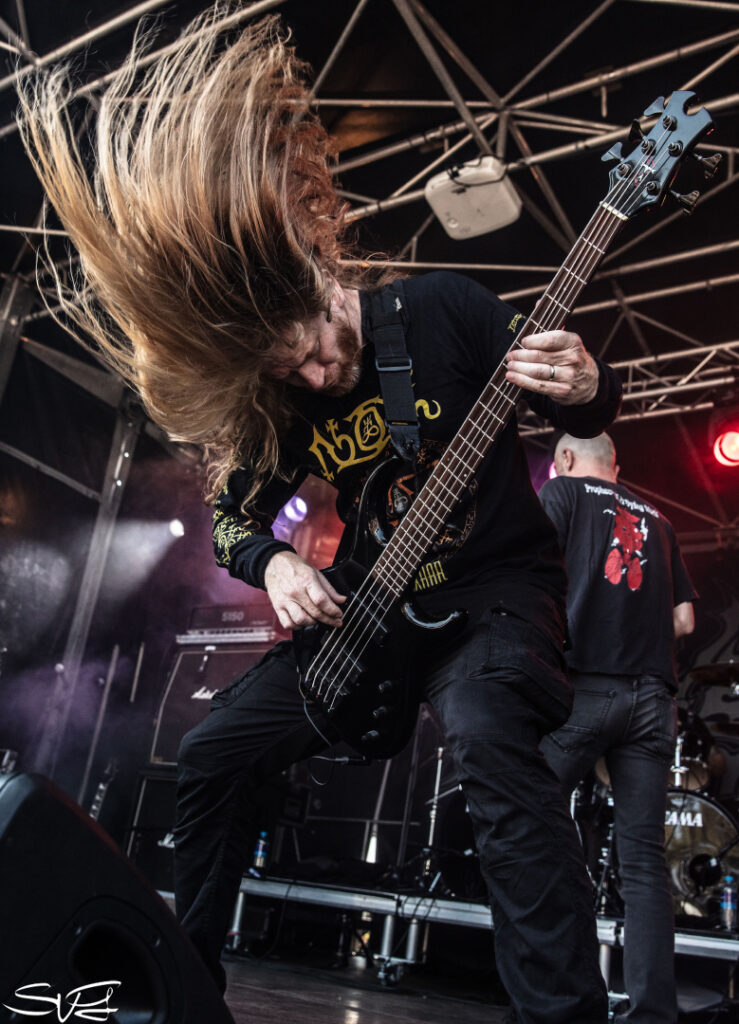
Scotland’s Party Cannon then took over, proving once again that the brightest logo in death metal hides one of the most crushing live bands around. Their infectious enthusiasm spread through the audience, creating perhaps the most light-hearted mosh pit of the entire festival despite the absurd heaviness of the music.
By this point, however, the first signs of trouble had already begun to emerge. Small technical hiccups, unexpected pauses and sound problems started affecting the performances. At first they seemed incidental, but as the afternoon progressed it became increasingly clear that nearly every band would have to deal with some form of technical difficulty. Fortunately, both musicians and audience handled the situation remarkably well. Instead of frustration, delays were met with applause and encouragement. Everyone understood that these problems were beyond the bands’ control.
That supportive atmosphere carried over into God Dethroned, who showed exactly why experience matters. Henri Sattler was not amused by the interruptions, but after releasing any frustration, take a breath and launched into classics like Soul Capture 1562. The professionalism towards the audience kept people fully engaged.
Swiss veterans Messiah brought the festival briefly back to the roots of European extreme metal before Colombia’s
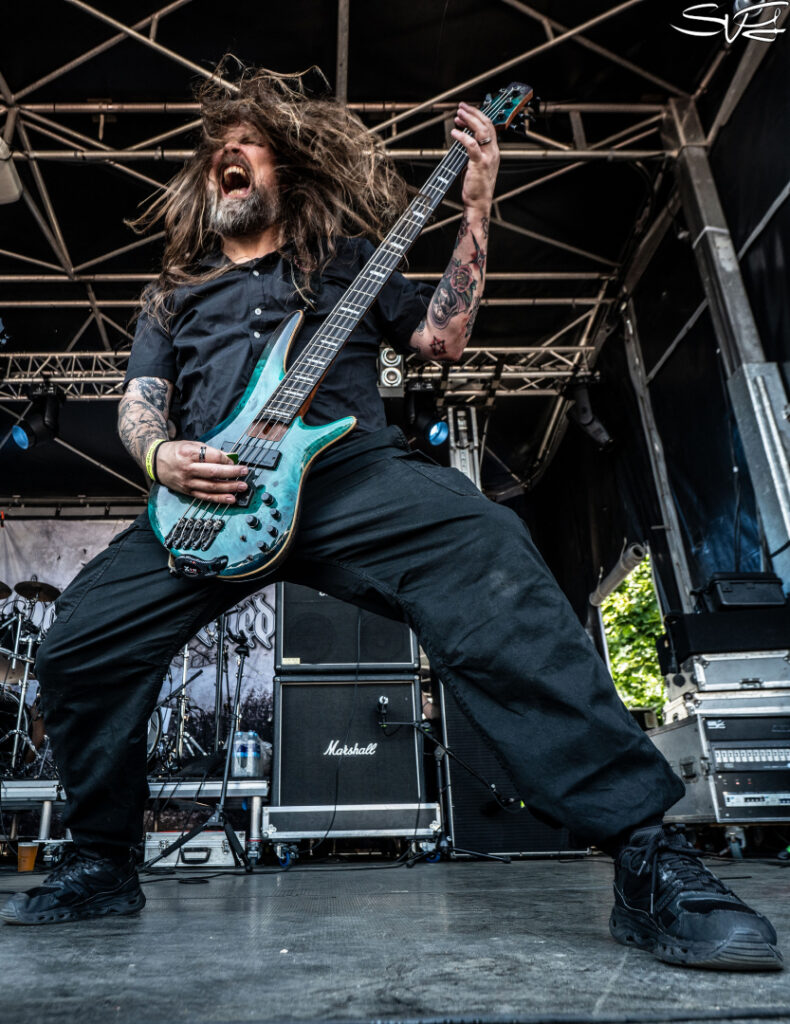

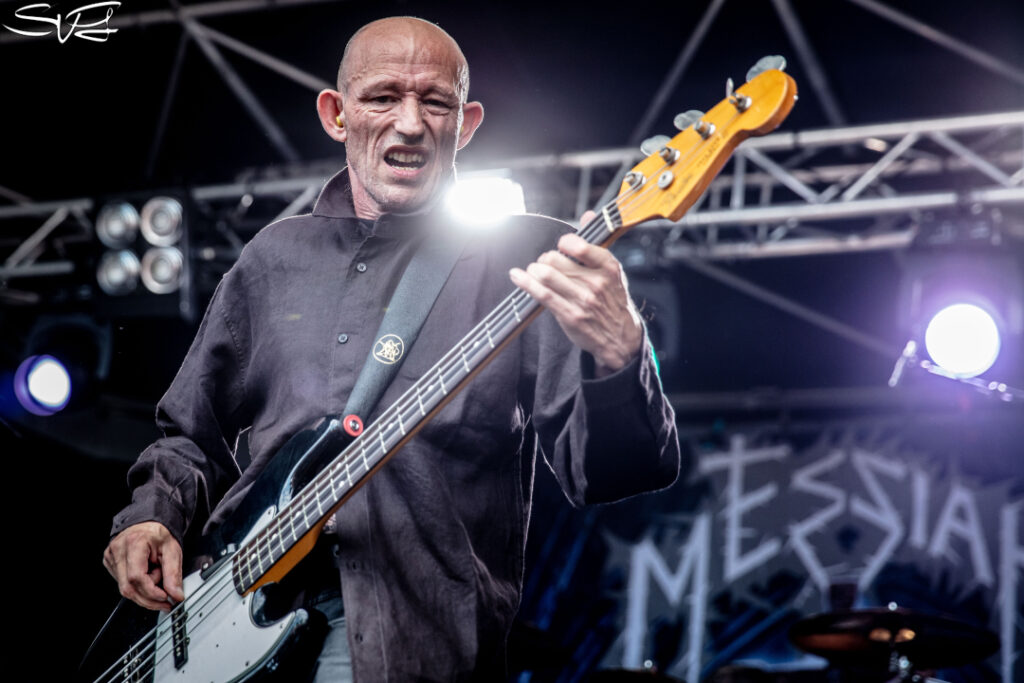

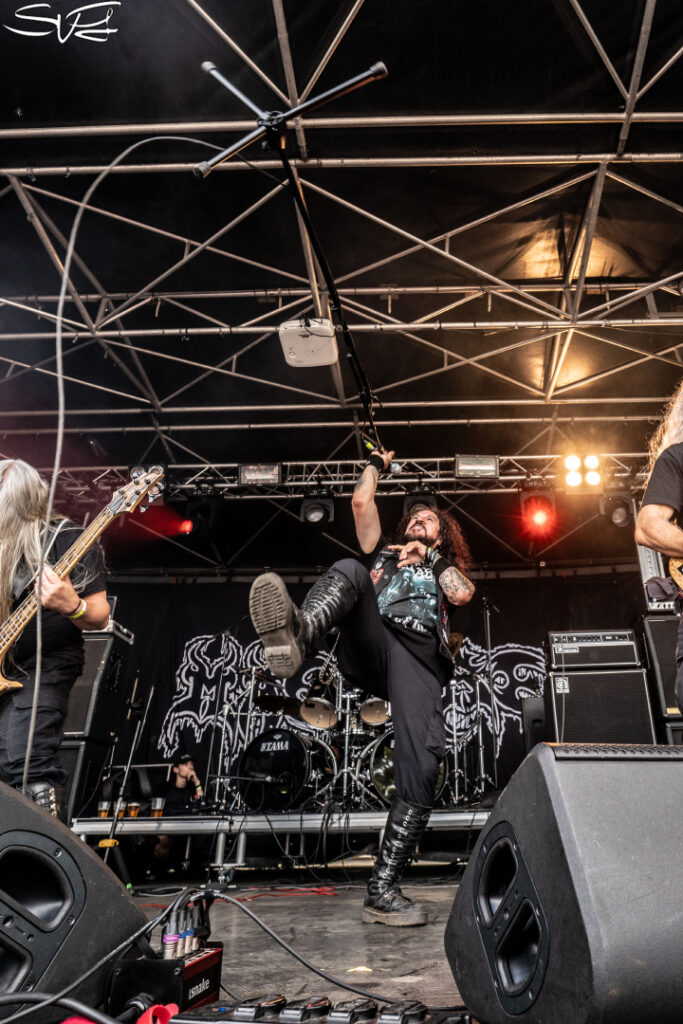
Masacre raised the aggression level once again with their uncompromising South American death metal assault. Both bands may have appealed to slightly different generations of fans, yet both received warm responses from a crowd clearly enjoying the diversity of the line-up.
The afternoon reached another high point with France’s Benighted. Frontman Julien Truchan once again proved why he remains one of the most energetic performers in extreme metal. Songs like Brutus transformed the pit into absolute chaos, while the band’s incredible precision somehow survived the increasingly unreliable sound system.
If technical excellence had a soundtrack, Cryptopsy would probably be responsible for writing it. The Canadians delivered one of the musical highlights of the day. Flo Mounier’s drumming was nothing short of astonishing, while tracks including Slit Your Guts and Phobophile reminded everyone why Cryptopsy remain one of technical death metal’s most influential bands.
A completely different atmosphere followed when Carnivore A.D. took the stage. Their crossover of thrash, hardcore and groove offered a welcome change of pace and served as a fitting tribute to Peter Steele’s original vision. It also provided a brief opportunity for tired legs to recover before the evening programme began.
Somewhere between the music and the beer tents, another unforgettable moment unfolded. One festival volunteer proposed marriage. In a setting normally dominated by blast beats, leather jackets and guttural vocals, it became one of the day’s most heartwarming scenes. Judging by the cheers from the surrounding crowd, there could hardly have been a more fitting place for the answer to be “yes.”

Evening
As daylight slowly lost its strength, so did any hope that the technical problems would be solved completely.
By now it had become obvious that every single band had been affected in one way or another. Microphones failed, guitars disappeared from the mix, monitors malfunctioned, feedback etc. Yet remarkably, very few people complained. The audience remained patient throughout the evening, fully aware that the musicians themselves were equally frustrated. That mutual understanding created a surprisingly positive atmosphere despite the circumstances.
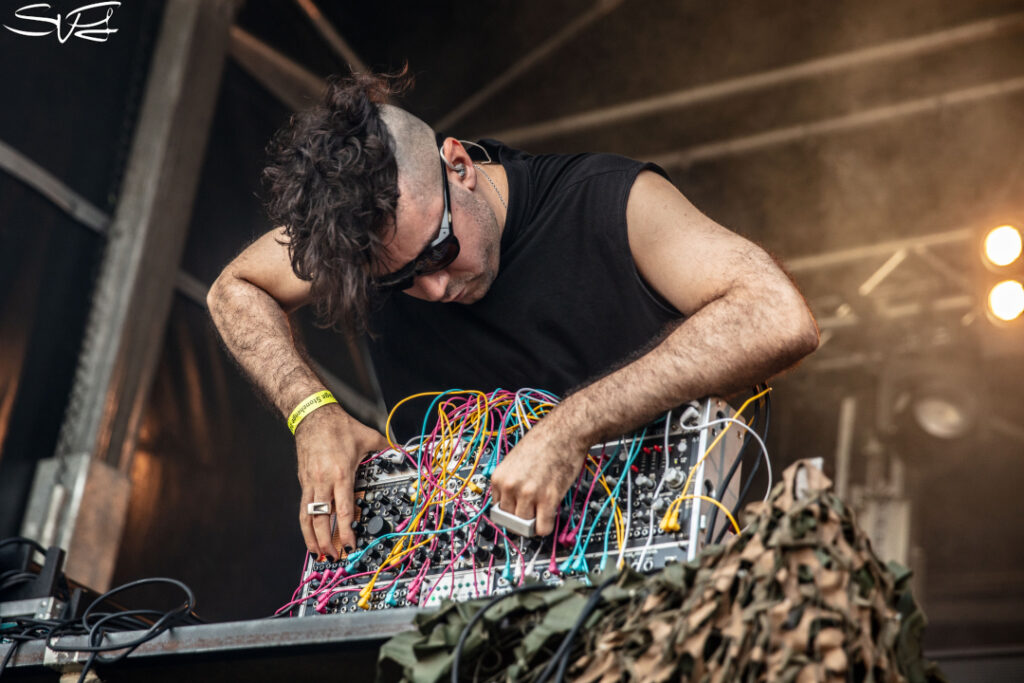
Unfortunately, no band suffered more than Front Line Assembly. The legendary Canadians had barely found their rhythm before they had to end the set due to a delayed start. Eventually they were only able to perform roughly half of their intended set. It was undoubtedly one of the biggest disappointments of the festival, particularly because their industrial sound brought such a refreshing contrast to the predominantly death metal line-up.
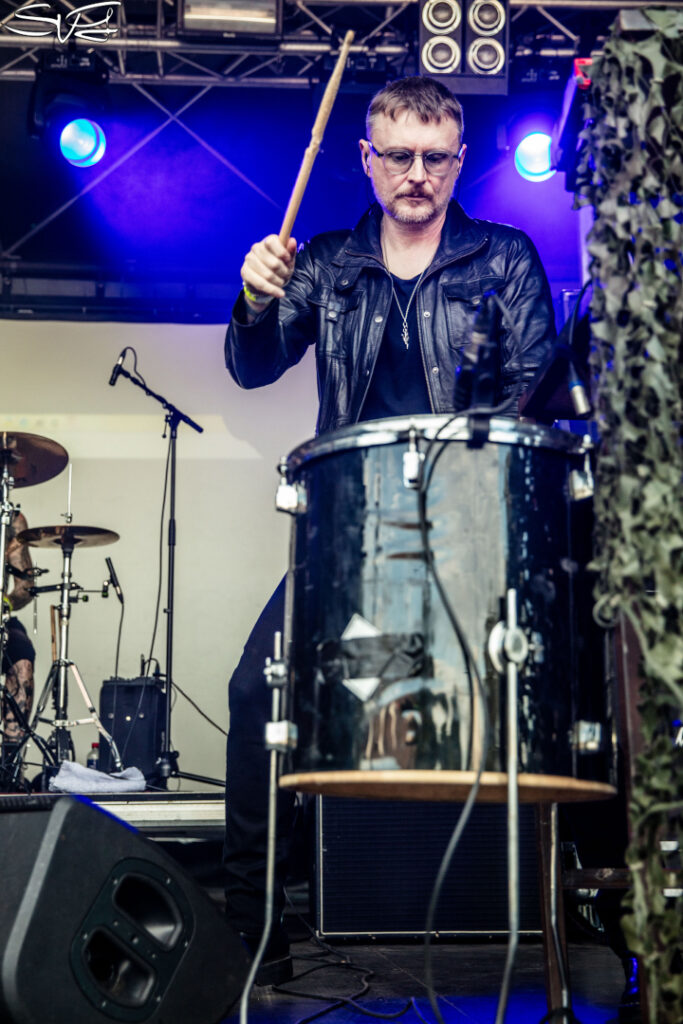
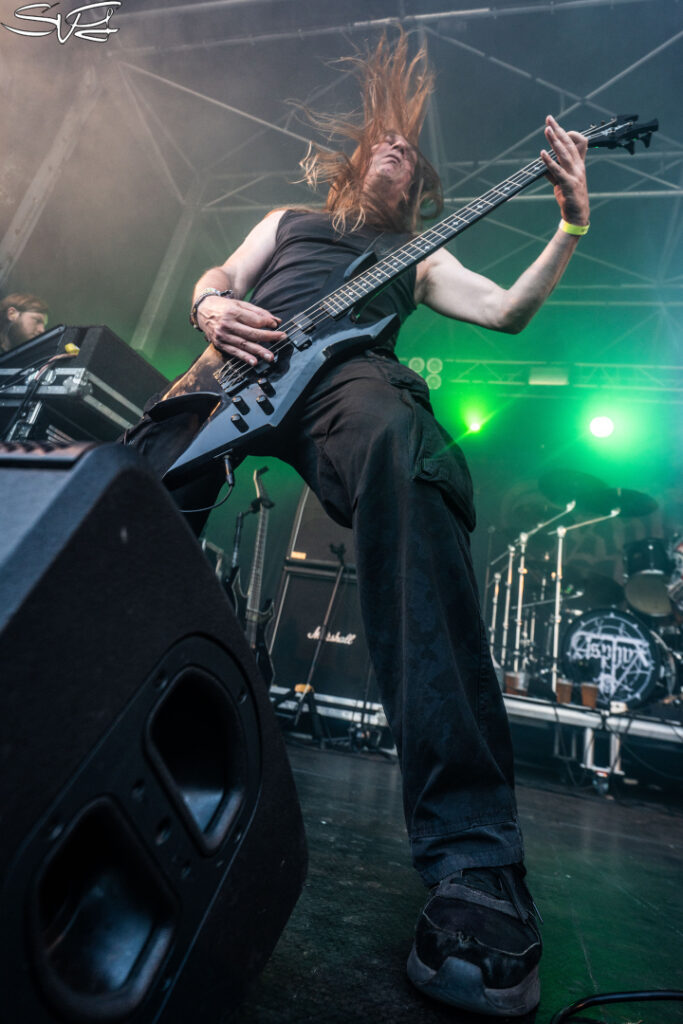
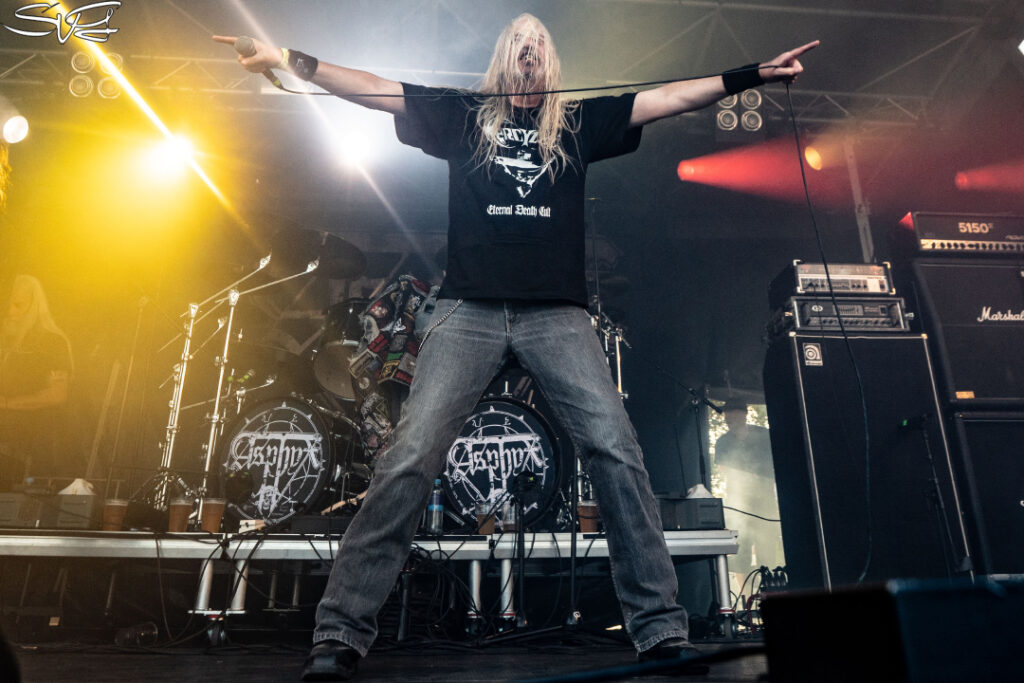
Dutch legends Asphyx approached the situation with characteristic determination. Martin van Drunen’s unmistakable voice immediately erased any lingering disappointment as classics such as Deathhammer and The Rack echoed across the festival grounds. If there were technical issues, Asphyx simply bulldozed straight through them.
The same could be said for Immolation, whose dark and oppressive sound created one of the evening’s most intense performances. Their material, including A Glorious Epoch and Into Everlasting Fire, demonstrated once again why they remain among death metal’s most respected names.
The atmosphere shifted completely when Rotting Christ entered the stage. Where previous bands relied primarily on sheer aggression, the Greek veterans built an almost ritualistic atmosphere. Thousands of voices joined Sakis Tolis during songs like 666, Kata Ton Daimona Eaytoy and Non Serviam, transforming the festival grounds into something resembling a giant open-air ceremony rather than a traditional concert.
By then, the running schedule had become little more than a rough guideline.
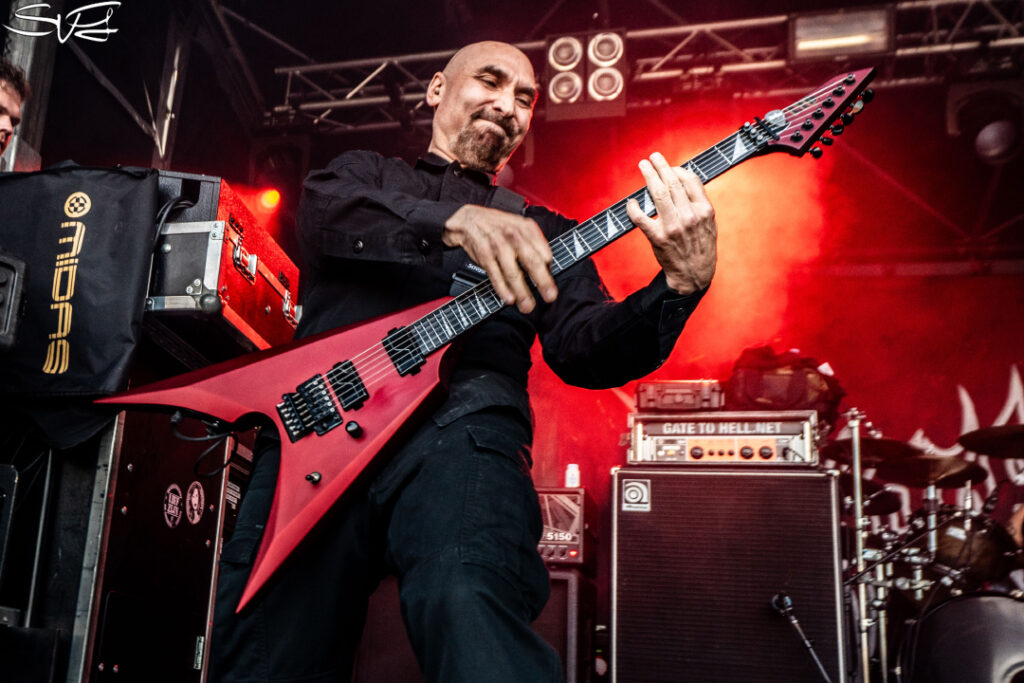
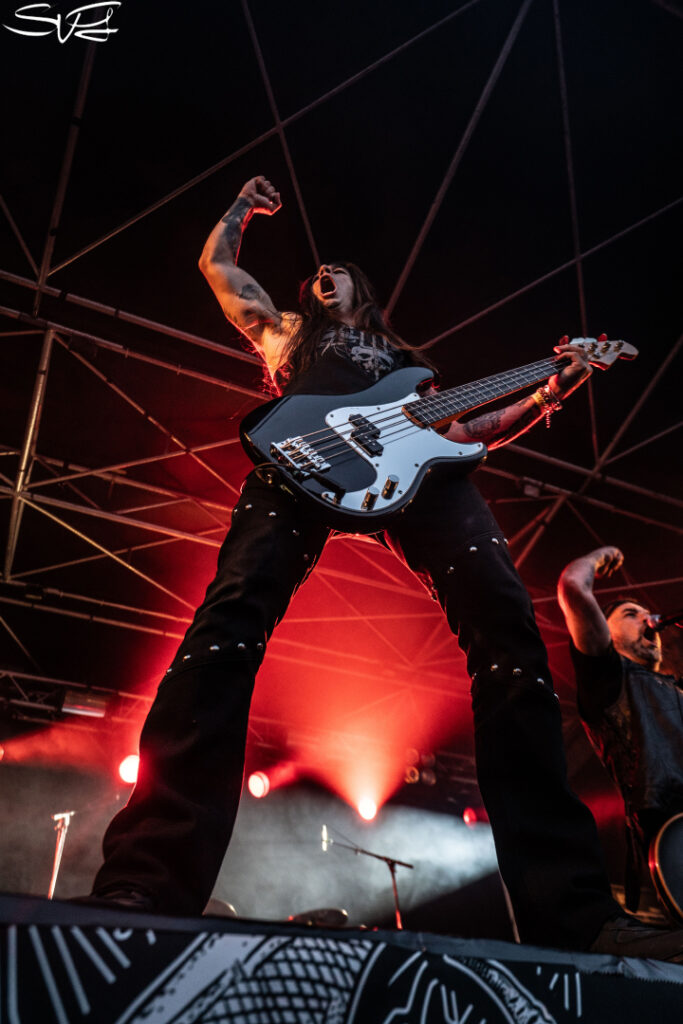


Luckily, Carcass didn’t seem to care.
Jeff Walker dealt with every interruption with his trademark dry humour before the band launched into an outstanding set featuring classics like Buried Dreams, Corporal Jigsore Quandary, Incarnated Solvent Abuse and, naturally, Heartwork. Despite all the delays that had accumulated throughout the day, Carcass simply played their complete set. Nobody objected. If anything, the audience appreciated the gesture even more.
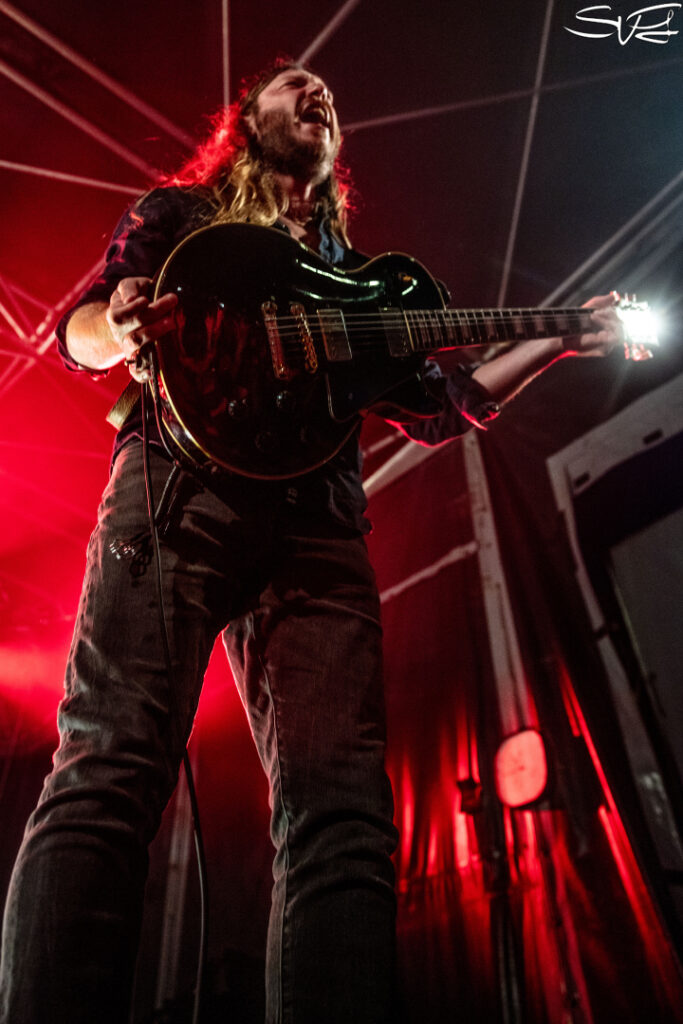
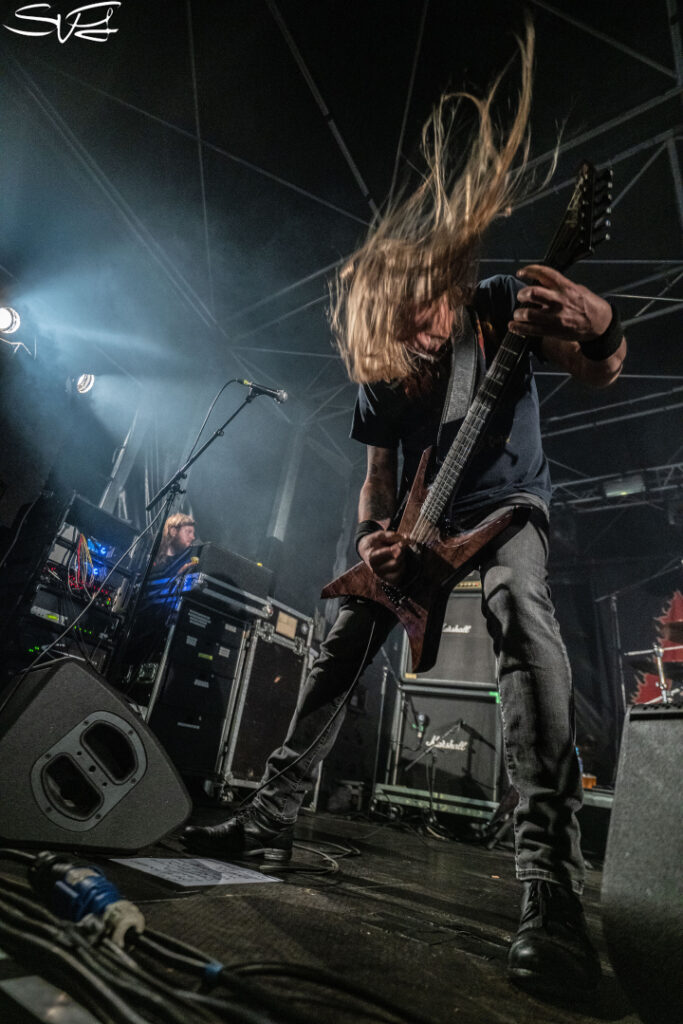
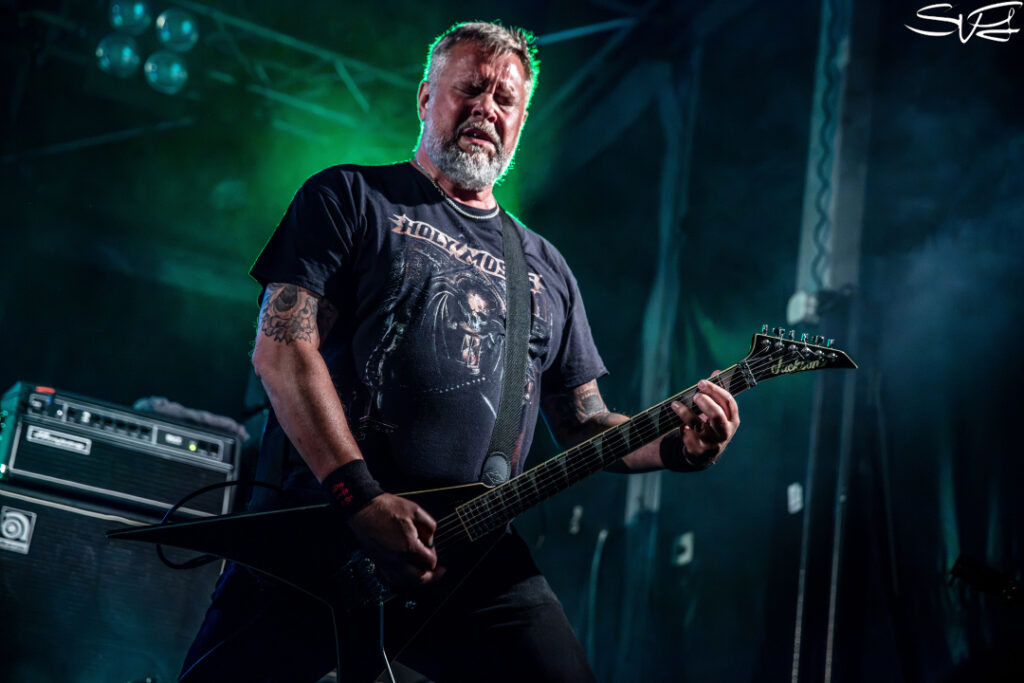
Closing the festival fell to Sweden’s Grave, who apparently shared the same philosophy. Rather than shortening their performance to compensate for the delayed schedule, they also delivered a full-length set packed with old-school death metal classics including Into the Grave, You’ll Never See… and Soulless. After a day filled with unexpected interruptions, it felt like the perfect ending: just let the legends play.

Final Verdict
Stonehenge Festival 2026 will probably never be remembered as the smoothest edition from a technical perspective. Sound issues affected virtually every band, and Front Line Assembly unfortunately paid the highest price by being forced to cut their performance in half.
Yet focusing solely on those problems would do the festival a disservice. The redesigned layout proved to be a genuine improvement, the line-up was outstanding from the very first note until the final encore, and the atmosphere throughout the day remained exceptionally positive. The audience showed enormous respect towards the musicians, recognising that none of the technical failures were their fault. In return, the bands responded with professionalism, humour and determination. Some, like Carcass and Grave, even ignored the increasingly delayed timetable altogether and simply gave the audience everything they had come for.
Throw in a memorable marriage proposal, countless circle pits, excellent food and drinks, and it’s difficult not to look back on Stonehenge 2026 with a big smile. Sometimes the best festivals aren’t the ones where everything goes according to plan.